

The buyer shares it with the seller, reflecting the needs for goods and services, along with the order quantities and prices. As a purchase order becomes a legally binding document after acceptance by the vendor, it reduces the chances of disputes. It reflects the agreement of both parties (vendor & buyer) on the whole purchasing process. Both documents pass through multiple workflows, procurement, finance, and operations. When integrated into digital tools, Cash Disbursement Journal they help teams track status, avoid duplicate work, and prevent miscommunication.
Customers
Purchase orders and invoices control billing and procurement (purchasing processes) through issuing and accounting for a sequence of invoice numbers and purchase order numbers. Having a reliable purchase order process and receiving process are essential for ordering inventory, contributing to effective inventory management. At the beginning of a business transaction, the buyer issues a purchase order (PO). This document records the client’s expectations for the products or services needed, as well as the quantity, pricing, and terms.
What Is an Invoice and When Is It Issued?

Maverick spend undermines negotiated contracts leaving you vulnerable to inflated costs and inaccurate forecasting. Recent studies found that 93% of procurement leaders consider indirect costs a major problem with 87% reporting an annual increase in maverick spend. While simple in concept purchase orders (POs) play a critical role in procurement by standardising buying, enforcing policy, improving visibility and strengthening audit readiness. If you invoice other businesses or government entities, you may qualify. The factoring company advances a large percentage of the invoice value—typically 80% to 95%—within 24 hours.
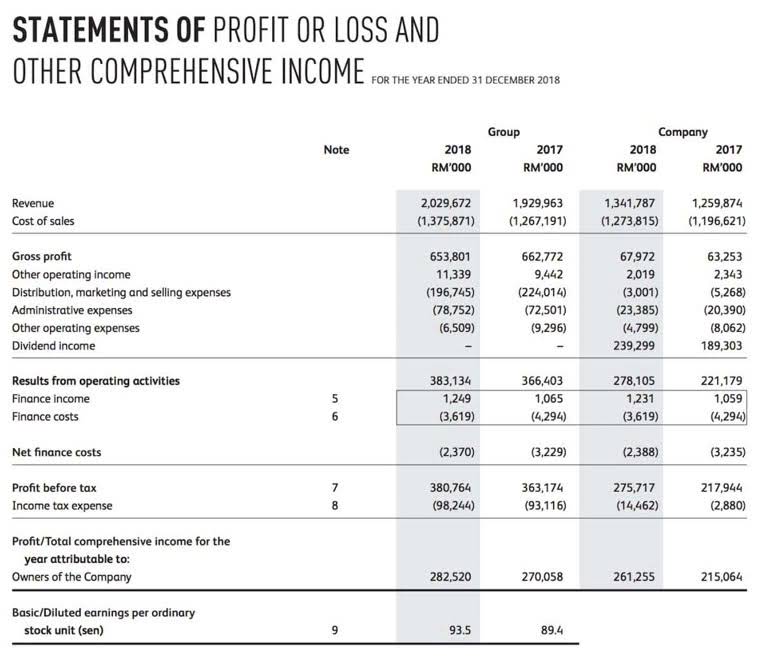
Purchase Order vs Invoice – Key Differences
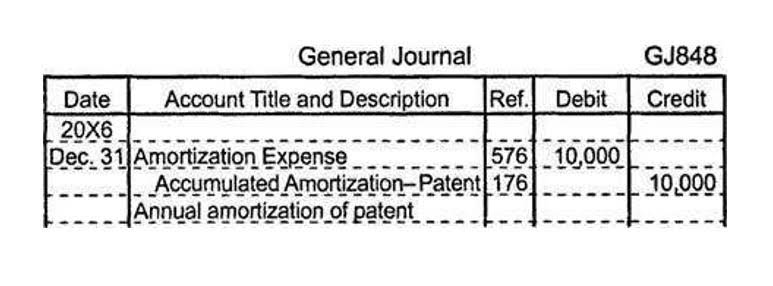
The invoice outlines what was delivered along with additional information such as pricing and payment terms. Invoices are critical documents for businesses involved in procurement as they help ensure transparency purchase order vs invoice and accuracy throughout financial transactions. If your team isn’t using a smart system to manage both documents, it might be time to start.
- A well-designed invoice reflects your commitment to high standards and can make a positive impression about your brand.
- Lost paperwork, missed approvals, and payment delays can cause headaches—and cost you money.
- By analyzing this data, you can create more accurate budgets and forecasts, leading to better resource optimization.
- A standard PO is for a one-off procurement and is used when all the details of the required products or services are known.
- Upon receiving the PO, the vendor acknowledges it and begins fulfilling the order.
An invoice only tracks money owed and collected from confirmed sales. The former might fall under the purview of the sales team, while the latter will be controlled by the accounting department. Last, the purchase order is a legally binding document, while the invoice is not, although this can vary based on the purchase. Purchase orders https://www.bookstime.com/ and invoices are important parts of your business’s overall procurement process.
- Streamline your billing process with this brilliantly designed online store invoice template.
- Once you set up the approval workflow, you can create purchase requests.
- The basic difference between a purchase order and an invoice lies in when they are issued and why they are created.
- Naturally, if you manage a small business, you probably have enough on your plate without having to worry about crafting invoices and other documents.
- It ensures that both parties are on the same page before any work begins or goods are shipped.